What is space weather?
Space weather describes the changing conditions on the Sun, in the solar wind and in the near-Earth environment. Bursts of solar activity can disturb the Earth's magnetic field, producing geomagnetic storms. These can produce aurora and can also affect technology such as power grids, satellites, radio communications and satellite navigation.
Geomagnetic observatories record these disturbances directly, and the numbers derived from their measurements (indices) give a simple way to describe how active the field is. The solar data and forecasts below help put those disturbances in context.
Explore the data
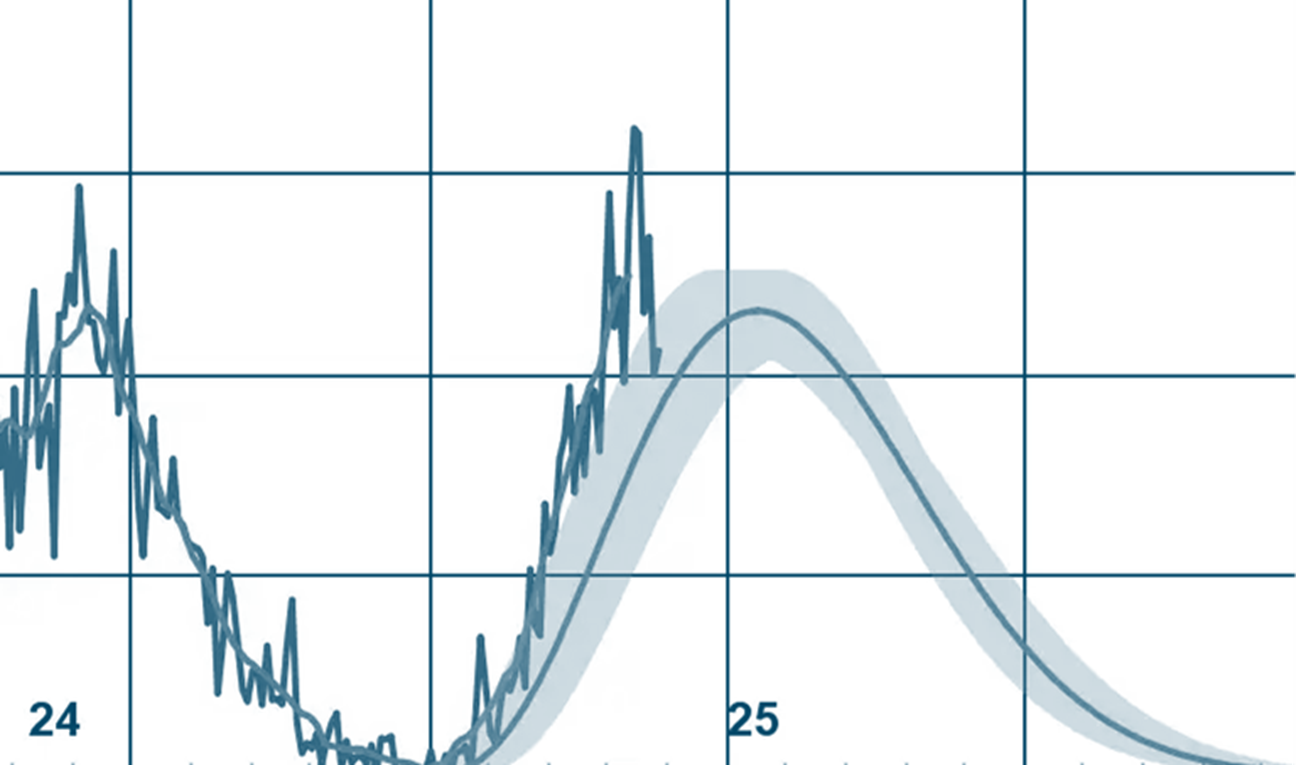
Solar and Geomagnetic Data and Indices
Indices: Kp, ap, Cp, and C9. Data: Bartels rotation, International Sunspot Number, F10.7 flux.
Explore »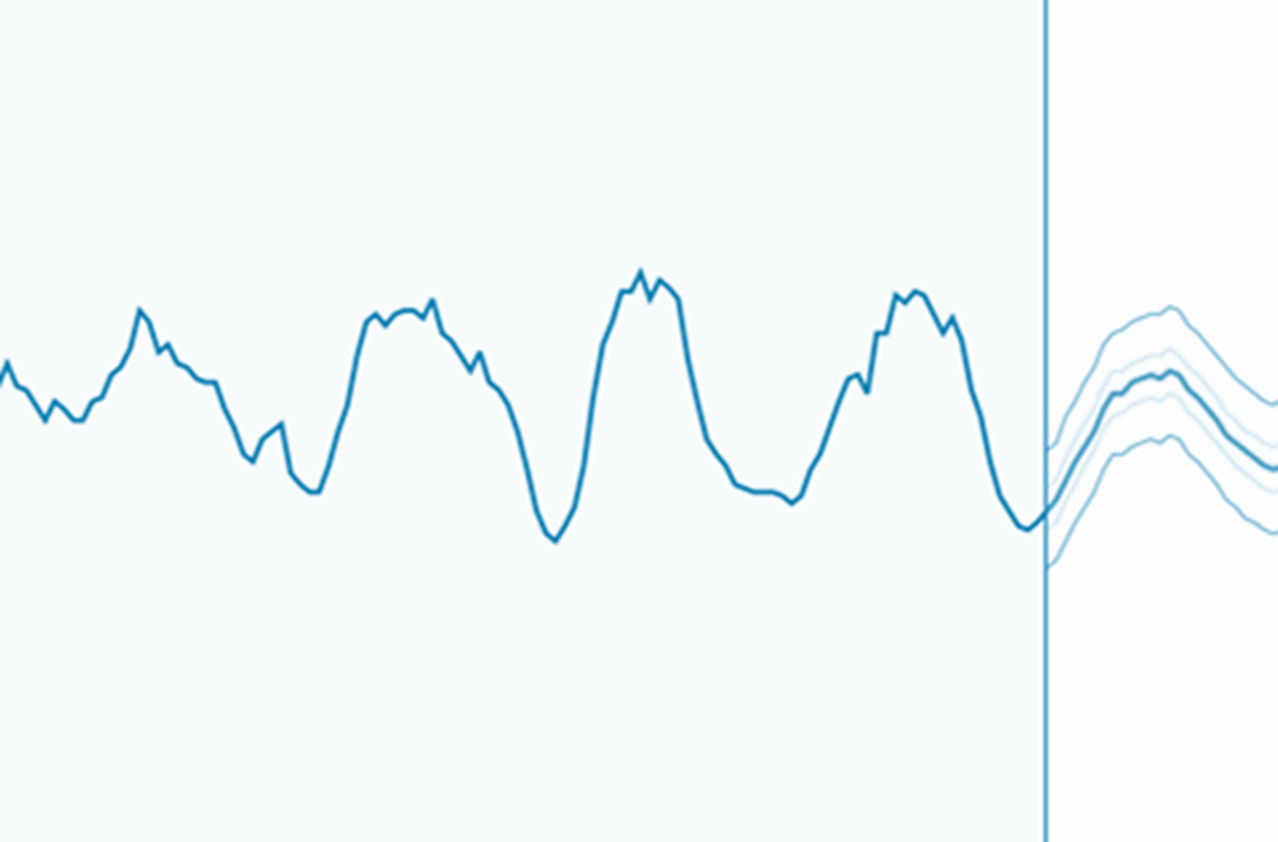
Geomagnetic and Solar Activity Forecasts
Forecasts of local activity (UK observatories), Ap index, and F10.7 flux.
Explore »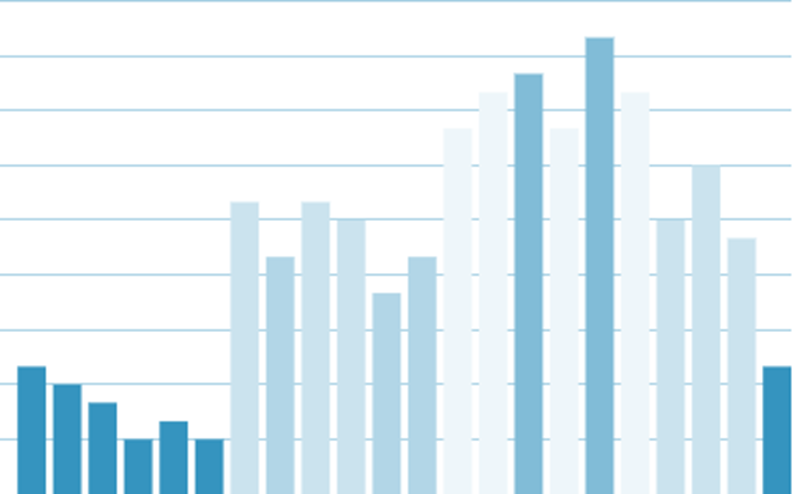
Quick guide
Geomagnetic indices
- K index
- A local measure of geomagnetic disturbance at a single observatory over a three-hour interval, on a quasi-logarithmic scale from 0 (quiet) to 9 (extremely disturbed).
- Kp index
- The planetary version of K, derived from a network of observatories. A Kp of 5 or more is generally regarded as a geomagnetic storm.
- ap and Ap
- ap is Kp converted to a linear scale, still in three-hour steps. Ap is the daily average of ap, which makes it handy for daily summaries and forecasts.
- aa index
- A long-running global index calculated from just two nearly antipodal observatories, one in the UK and one in Australia. Its record goes back to 1868, so it is widely used for long-term studies.
- Cp and C9
- Daily summary figures of geomagnetic activity. Cp is the planetary figure and C9 is the same information expressed on a 0–9 scale.
Solar data
- Sunspot number
- A count of sunspots and sunspot groups on the Sun's visible disc. It rises and falls over the roughly 11-year solar cycle.
- F10.7 flux
- The Sun's radio emission at a wavelength of 10.7 cm, measured in solar flux units. It is a widely used proxy for overall solar activity.
- Bartels rotation
- A numbering system for the Sun's roughly 27-day rotation as seen from Earth, useful because activity patterns often recur from one rotation to the next.